
Blog
Scotland’s Flood Resilience Conference 2026: What we heard, and what comes next
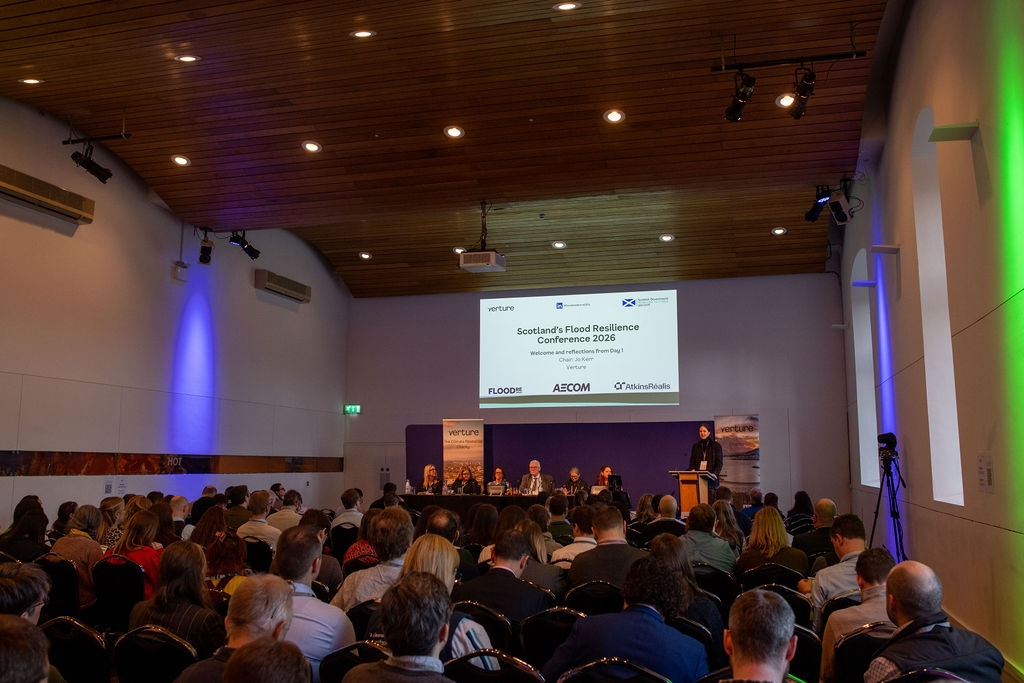
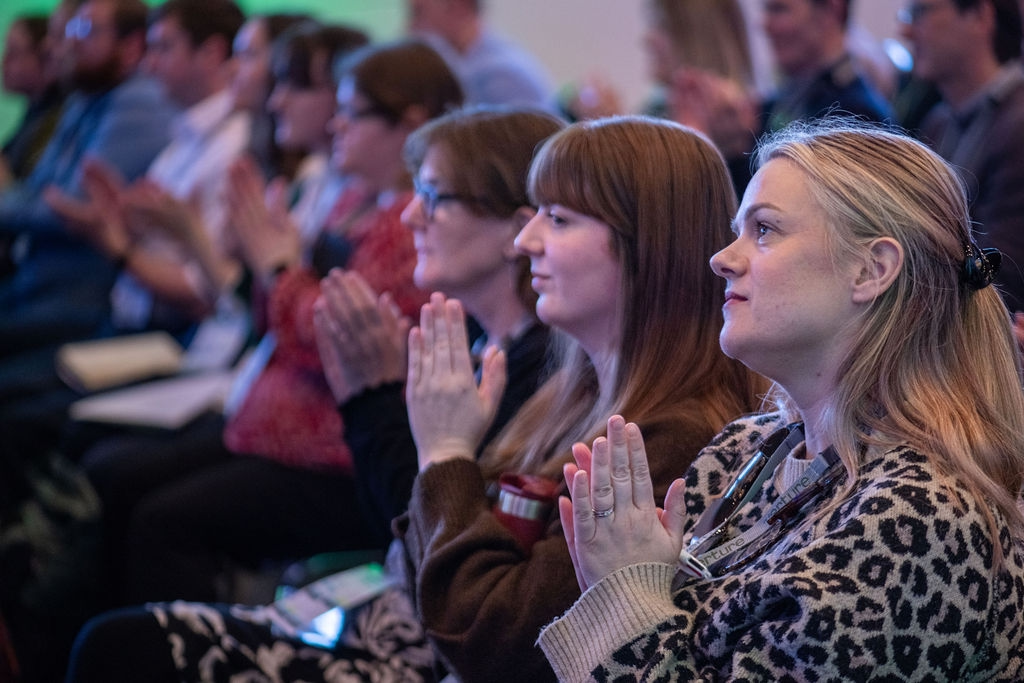
For more than two decades, Verture has delivered Scotland’s annual Flood Resilience Conference, and each year the urgency grows. This year was no exception. With over 500 attendees, it was one of our most diverse and engaged gatherings. This reflected a shared commitment across government, local authorities, communities, researchers and organisations to turn insight into action.
Here are our key take aways from the conference:
Our theme, “Creating a Flood Resilient Scotland – sharing experiences, shaping the future,” became the lens through which people spoke, challenged and reflected across both days.
“Storm Chandra wasn’t invited, but it arrived anyway.”
Our CEO Jo Kerr opened Day Two with that line, capturing the reality we now face, climate impacts are no longer distant risks, they are here. The weather keeps its own calendar and we must keep pace.
Place, Evidence and Unequal Impacts
Catriona Laing, Deputy Director, Domestic Climate Change, Scottish Government highlighted the stark implications of a 2°C warmer world, with flooding among the most visible and inevitable consequences.
Recent coastal damage across Scotland, including a sinkhole in Dunbar caused by waves and a spring tide, reinforced that “normal” conditions have shifted.
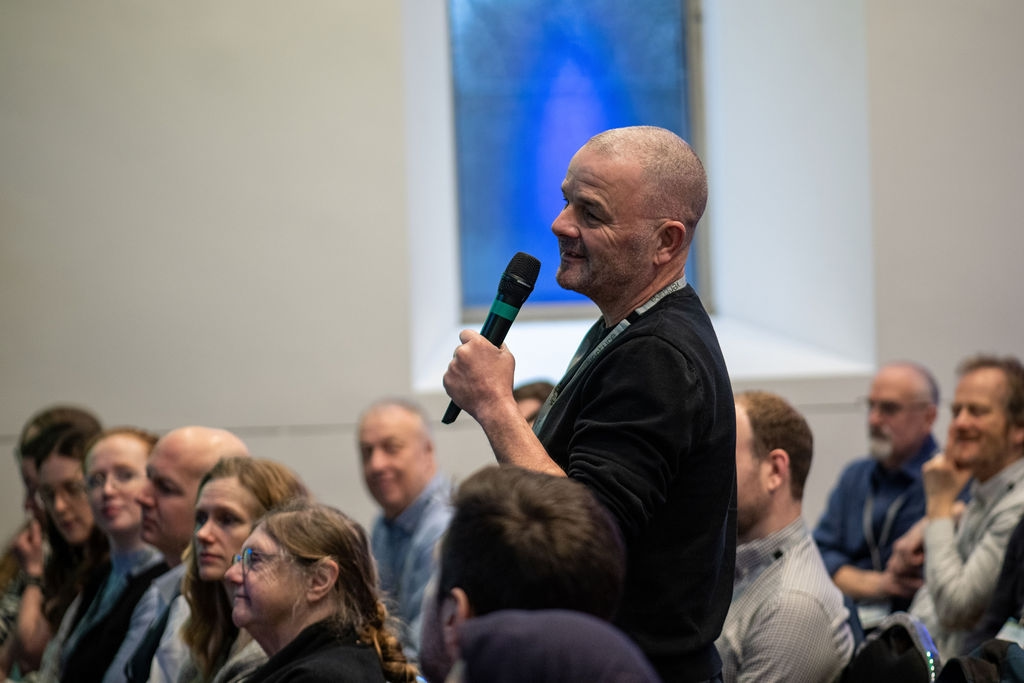
A recurring theme was the gap between mapped risk and lived experience. Will Burnish from Moray Council shared images of Kingston, a village on the north coast that has limited flood risk according to the Future Flood Risk maps, however, when taking into account projected sea level rise and spring tides, the likelihood of coastal flooding increases, impacting on more than just road infrastructure, which is currently the main experience of flooding in the village.
Making Space for People as Well as Water
As Shona Collins from West Lothian Council noted, retrofitting is more cost‑effective and better for wellbeing than temporarily moving people out of their homes following flood events.
Nature-based solutions and river restoration were emphasised as long-standing message that making space for water is as important as making space for people. Restored riverbanks, trees and reconnected landscapes reduce flood risk while creating healthier environments. Yet these sessions also highlighted a major barrier: the skills, resources and workforce needed to deliver such solutions at scale.
People, Health and Hard Conversations
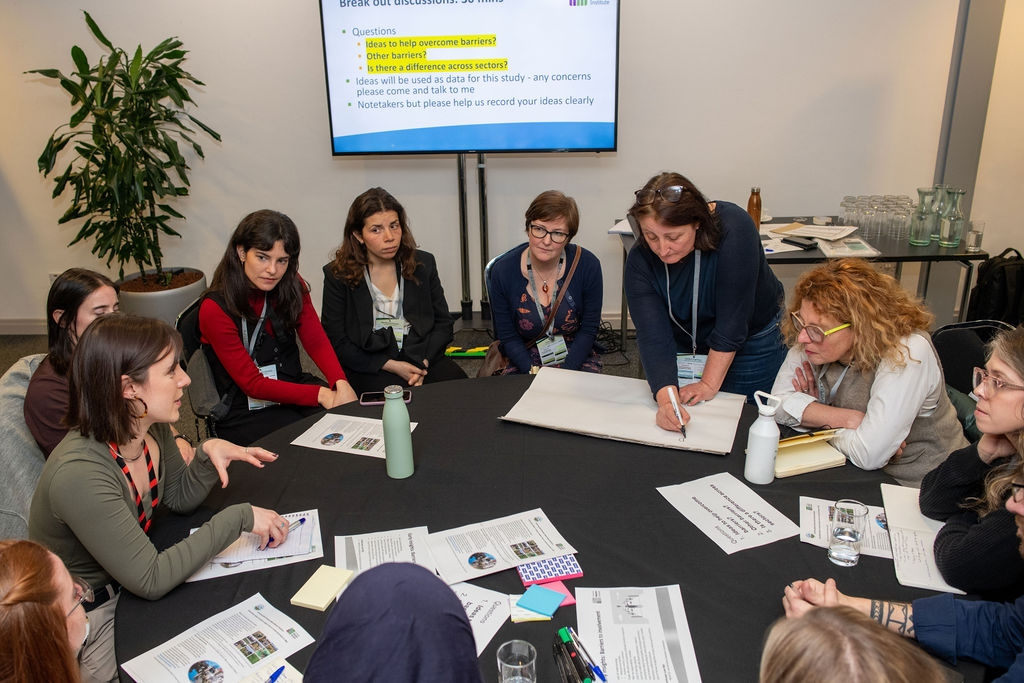
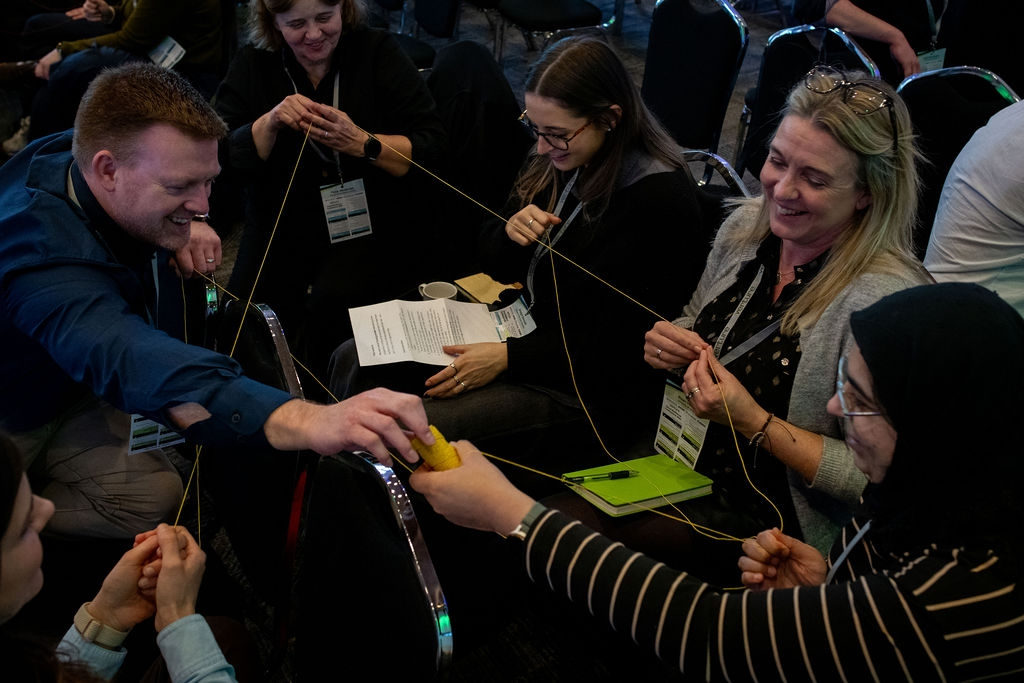
Community engagement practitioners described the toll of repeated flooding events. In Derbyshire and the East Midlands, eight named storms brought repeated flooding and over 1,700 evacuations. Roadshows, hubs and information packs helped, but exhaustion and capacity limits were clear.
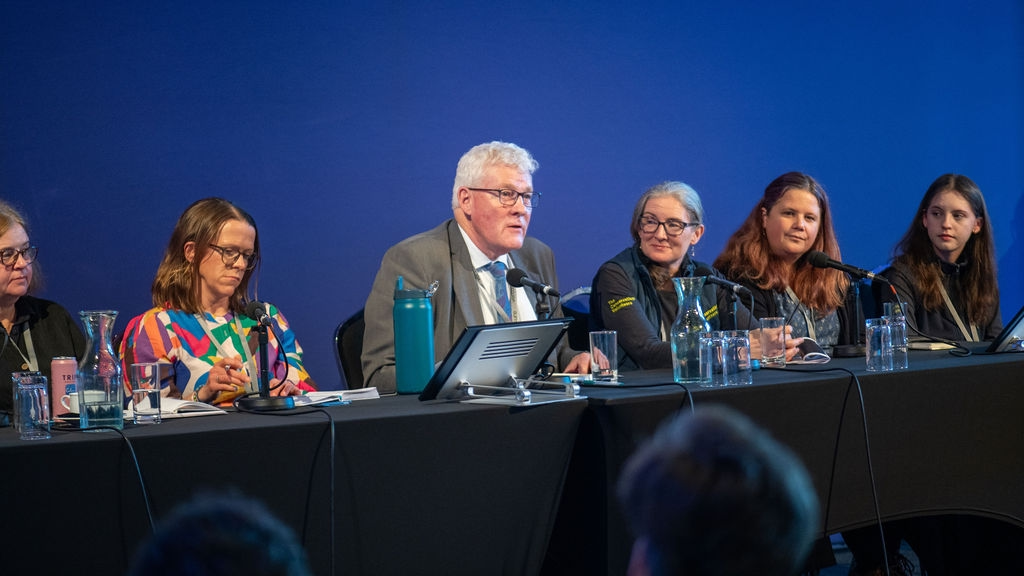
Clare Johnstone from The Conservation Volunteers spoke about their work with young people, it reminded us that climate resilience is intergenerational. High school students described the impacts flooding has had on their lives, offered their own ideas for solutions.
Wellbeing
Pippa Lawton – Van Kuijik from Risk and Policy Analysts Ltd spoke about how coastal communities are facing relentless erosion, some are confronting uncomfortable decisions, including what to do about graveyards that are now at the sea’s edge. Options ranged from “do minimum” to “relocate, exhume and transfer.” These are ethical, legal and emotional dilemmas, showing that resilience is as much about values as engineering.
Flooding affects far more than buildings. It impacts mental health, relationships, jobs and community cohesion. People who experience flooding are significantly more likely to face anxiety, depression, PTSD and sleep loss, yet health resilience is rarely central in flood strategies.
For Verture, a few key themes stand out:
- Resilience is not just about infrastructure – it’s also about fairness, access and wellbeing.
Across sessions, it was clear that flood resilience only works when it supports people’s health, stability and sense of security, not just physical assets. - Data and mapping matter but lived experience is equally important.
When models don’t reflect what communities are experiencing on the ground, trust breaks down and decisions suffer. Evidence must be combined with local knowledge. - Communities and young people need a seat at the table.
From community-led action to young people sharing lived experiences, the conference reinforced that better outcomes come when those affected help shape decisions. - Hard conversations about loss, emotion and long‑term change are essential.
Discussions on erosion, relocation and wellbeing showed that avoiding difficult questions doesn’t reduce risk, it simply delays it.
Thank you to everyone who contributed. This is how we shape change together.
We look forward to seeing you again in 2027.
The Scottish Flood Resilience Conference is part of an annual Flood Resilience Programme delivered by climate resilience charity Verture and funded by the Scottish Government.
