
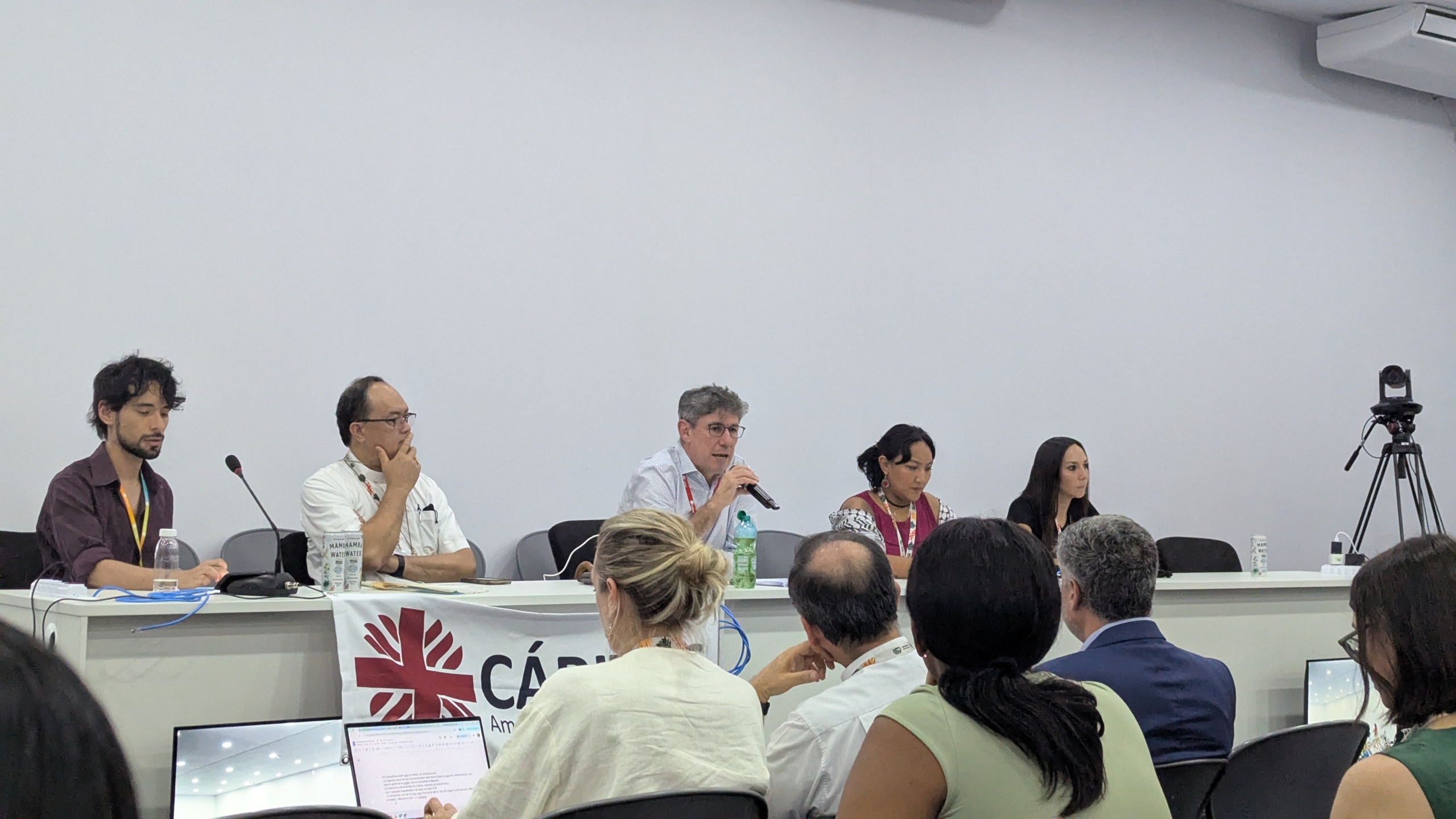
Caritas – climate and morality
Alistair Dutton spoke powerfully about the moral angle of the climate crisis. As he put it – “It is our moral obligation to stand up and do what is necessary to fight climate debt.” The point around debt is key to this discussion. Much of what we consider to be “aid” to countries battling climate change, is in fact delivered in the form of loans. To change the framing of this – western countries, having spent centuries destroying the climate, are now charging countries in the global south interest on t he paltry amounts they are contributing to help them.
Debt interest is crippling countries least able to pay for climate resilience measures. The Philippines is the “disaster capital of the world” – a hotspot for typhoons. We have to understand that climate finance is not about charity – it is about justice. As it stands, countries are paying twice – first in dealing with the impacts of climate disasters, and then again in interest charged on loans to “assist them.”
Joy Reyes summed this up perfectly: “For us, ‘resilience’ means that we are having to look after ourselves, rather than receiving the assistance which is owed to us – we are offered debt, not justice.”
Current climate finance arrangements reinforce, rather than helping to overcome, market forces of profit – the very drivers which have got us in to the current climate breakdown.
This session was not always upbeat, but it was certainly hopeful. This is a situation which individual governments, including the UK, can take immediate measures to address.
